Planning an event in Boston has a way of bringing everything into the same small window of time. You’re juggling permits, traffic, setup crews, weather forecasts, and vendor deliveries that somehow always arrive five minutes after you finished watering the flowers. Then someone asks, politely at first and then with increasing concern, “Where are the bathrooms?”
That’s where a porta potty rental becomes more than a convenience. It is basic event logistics, guest comfort, and risk management all at once.
Why portable toilets on rent are a real planning decision, not an afterthought
Portable restrooms sound simple until you’re standing onsite with a line forming by the end of your event and you realize the units you ordered won’t be able to support the crowd. Or worse, you discover you placed them in a spot that is technically accessible but practically awkward for elderly guests, families with young kids, or anyone in a wheelchair.
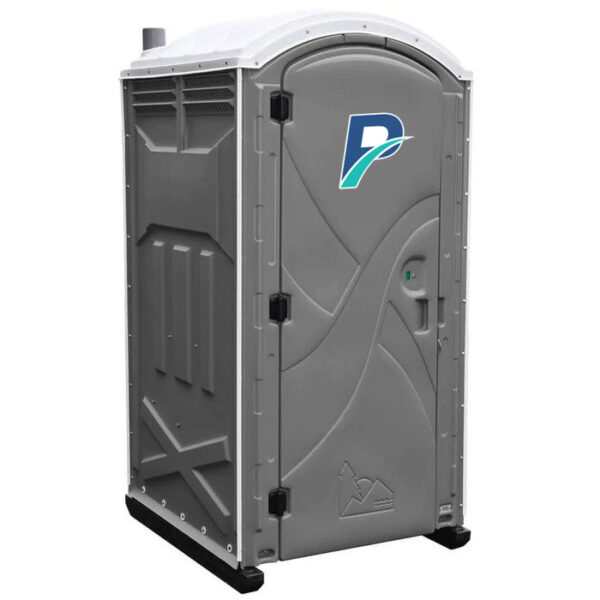
In my experience, the biggest difference between events that feel smooth and events that feel chaotic comes down to planning three things early: the number of units, the placement, and the service expectations. Most portable toilet rental companies will walk you through options, but the quality of the outcome depends on how specific you are with your needs.
Also, Boston adds a few local wrinkles. Tight streets, building access rules, and site constraints can limit where you can place units without blocking walkways or causing pickup issues. If you are hosting near venues with strict load-in corridors, plan for delivery timing and vehicle access. The right placement and a realistic delivery plan can prevent delays that ripple across your whole setup schedule.
Start with capacity: how many units you actually need
People often estimate bathroom needs using the number of guests, but that guess is usually too rough. The real driver is how long guests will be using the facilities, whether alcohol is involved, and how family-friendly your event is.
The “best” number depends on event type. A quick backyard gathering with a shorter duration can be handled with fewer units. A multi-hour block party with food trucks, beer tents, and a steady stream of attendees needs more capacity. If you’re running an outdoor wedding, where guests are dressed up and staying longer, they will use facilities more carefully than a late-night concert crowd, but the total usage can still add up quickly.
Rather than aiming for one magic formula, think in ranges and then adjust. If your event runs for several hours and includes heavy hydration triggers like beer, sports drinks, or coffee, plan conservatively. If you’re hosting children’s activities, consider family needs as well. Some portable toilet rental companies offer units with features that help with comfort and accessibility, which can reduce frustration even when total unit count stays the same.
If you are unsure, ask your supplier for a recommendation based on:
- estimated attendance event duration whether food and alcohol are served whether it is daytime or evening any accessibility requirements
A vendor that asks clarifying questions instead of pushing a default quantity is usually a good sign.
Placement matters more than most hosts expect
Even when you rent enough units, placement can make them feel useless.
I’ve seen an event where the units were delivered correctly, but the route guests had to take was awkward, bright enough to feel exposed at night, or blocked by equipment staging. Guests might not say anything for an hour, then suddenly you feel a surge of complaints.
When deciding where to put portable toilets, aim for:
- a clear, safe path from the main gathering area visibility that discourages people from giving up enough space for the delivery and servicing vehicle separation from food prep areas, trash stations, and entry points
Boston sites vary, so your “best” location might be different for each job. On a typical street-facing event, you may be limited by sidewalks, fire lanes, and temporary fencing. At a private property, you may need to coordinate with landscaping or driveway rules.
Also, consider the wind direction if you expect heat and humidity. Odor is not the same as “there is a problem.” With the right placement and routine servicing, portable toilets stay manageable. With the wrong placement, even well-maintained units can feel unpleasant.
Service schedule: don’t rent and disappear
One of the most common hosting mistakes is treating a rental period like a single transaction instead of an ongoing service. Portable toilet rentals are not “set it and forget it,” especially for longer events, high traffic, or warm weather.
Portable toilet rental companies often offer service intervals, including standard pump and restock schedules. For events lasting a full day, you may need more than one servicing pass. The exact timing depends on expected usage and the number and type of units.
If you are planning a festival, sports tournament, or outdoor corporate event where guest flow stays steady, ask how the supplier handles mid-event maintenance. If you are running a wedding, you may want servicing timed so it does not interfere with peak usage windows or scheduled programming.
If you are caught in a tight timeline, emergency portable toilet rental can be the lifesaver. But even then, service planning matters. Emergency doesn’t mean “no maintenance.” It means “faster delivery,” and you still need a workable plan for restocking and pumping.
Choosing the right type of unit for your crowd
Not all portable restrooms are equal, and it is worth selecting based on guest expectations and your event environment.
At a basic level, you will see standard portable toilets on rent. Those are usually the best fit for lower intensity events, short durations, and cost-sensitive budgets. But many hosts discover that “budget” is not just about the unit price, it is about the total experience. Cheaper can sometimes mean fewer amenities, which can translate into more guest dissatisfaction, more cleanup attention from your team, or higher wear and tear over time.
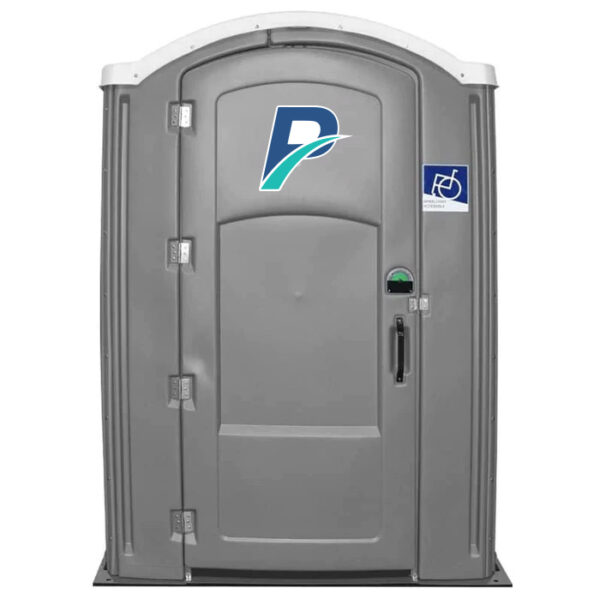
If you have guests who expect more comfort, or if you are trying to reduce lines and improve usability, you may want to consider upgraded options when available. Some suppliers offer units designed for accessibility, and for events with a significant number of attendees with mobility needs, that choice can matter as much as unit count.
There is also a “fit” element. For example, if your event is in a space where the logistics crew has limited ability to move units, the unit footprint and delivery constraints might influence which option is safest and easiest to service.
Budget without cutting corners: what “cheap portable toilet rental” really means
Every host wants the cheapest option that still feels dependable. That’s not unreasonable, but cheap portable toilet rental can mean different things depending on what is included.
When I compare quotes, I look beyond the base rental fee and ask what comes with delivery, pickup, and servicing. Some pricing is straightforward, but others can shift depending on:
- delivery distance and site access requirements rental duration servicing frequency during the event additional unit types for accessibility or special needs what happens if you need an extra unit due to last minute headcount changes
A low price that does not include appropriate servicing can cost more in the long run, either through extra fees or through reputational damage when guests do not have a good experience.
If cost is the main driver, talk to the supplier about optimizing within your constraints. For example, you might keep standard units for the main area, then place a smaller number of higher comfort units at a VIP area or for accessibility. The goal is not luxury, it is functional reliability.
A Boston reality check: delivery timing and site access
Portable toilet rental companies can deliver quickly, but “quickly” still depends on whether a delivery truck can park legally and safely. Boston has a lot of street-level complexity. Even when the event is on private property, you may have driveway restrictions or limited turning radius for delivery vehicles.
Give your supplier accurate information:
- exact delivery address and nearest cross street whether parking is available for delivery trucks whether there are gates, fences, or steps near the planned placement whether you need units behind a fence line, in a temporary staging area, or near a specific entrance
If your venue requires coordination with property management or an event coordinator, share that early. It prevents the classic situation where the truck arrives, a gate is locked, and everyone scrambles while the event window closes.
If you are in a true crunch, emergency portable toilet rental may still require practical placement access. A vendor can often make accommodations, but there is always a limit to what can be delivered and safely placed on short notice. Planning the route and confirming setup points can still be the difference between a smooth delivery and a stressful one.
Placement specifics that reduce complaints
Once the number of units is set and the delivery plan is agreed on, placement becomes your main lever for guest satisfaction.
Think like a guest. If you want people to use the units instead of searching for alternatives, the path should be obvious and safe. Put them where guests naturally walk, not hidden at the far edge of the property behind a storage shed.
Also, consider privacy and safety. Even though portable toilets are common, guests still respond to lighting and visibility. In evening events, make sure the area is well-lit or close enough to existing lighting that guests feel comfortable. If your site has temporary barriers or you are closing off a section of street, ensure the units are accessible without crossing unsafe areas.
If your event includes food, keep reasonable distance between dining zones and the restroom area. Many hosts underestimate how much separation affects perceived cleanliness, even when the toilets are maintained. A slight distance, a clear path, and decent screening or fencing when possible usually improve the overall feel.
Handling special cases: weddings, construction sites, and family events
Different events have different https://www.facebook.com/premierpotties/ “bathroom behavior,” and you need to match the rental to that behavior.
For weddings and formal events, people tend to stay for longer periods, and they often coordinate restroom trips around ceremonies, meals, and speeches. That means you may see surges when guests move from one activity to another. If your units are only serviced once at the beginning, and your event has a long schedule, the middle and end of the reception can feel worse than the first hour.
For construction-related gatherings or vendor setups where workers may use facilities continuously, the demand pattern is steadier but higher. In those cases, unit count and servicing intervals become even more important, because the toilets are used more frequently and consistently across the workday.
Family events are their own universe. Even if the total headcount seems manageable, children and caregivers create unique usage needs. If you have families, consider the flow and accessibility. Guests may also expect clean, dependable supplies. Portable toilet rentals sometimes include accessory options depending on the supplier, and those choices can impact how guests talk about the event afterward.
What to ask your supplier before you sign anything
The most efficient rentals come from clear communication. If you want the process to be painless, ask questions early and keep notes. Most reputable portable toilet rental companies will be direct and practical.
Here are the key questions I recommend, written exactly the way I’d ask them to avoid misunderstandings:
How many units do you recommend for my estimated attendance and event length? What is included in the Portable Toilet Rental price, delivery, pickup, and servicing? What servicing schedule do you use during the event, and how often are units refreshed? Are there any site requirements for placement, such as level ground, access width, or fencing? What happens if we need an extra unit due to last minute headcount changes?Answering these clarifies whether you’re truly getting what you think you’re buying. It also helps you coordinate with your own event team so no one is stuck guessing onsite.
A quick scheduling approach that works
A good schedule does not need to be complicated, it needs to be realistic. Start planning early, then tighten the timing as the event gets closer.
If you are renting units for an outdoor event, plan delivery so the toilets are onsite before guests begin arriving. You do not want them sitting for hours in heat without servicing attention, and you also do not want them delivered so early that they become an obstacle during setup.
For multi-day events, confirm that units are serviced at consistent intervals. Ask whether there is a dedicated maintenance route or standard frequency. If the venue has quiet hours or locked gates, coordinate access so servicing can happen.
If you are using emergency portable toilet rental, confirm delivery windows and how the unit will be placed relative to your event fencing. Emergency logistics can still be smooth, as long as you control the variables you can control, like access and setup points.
Keeping portable toilets clean and respected during the event
Once everything is delivered, your team’s behavior shapes the guest experience. You don’t need to micromanage, but small steps can prevent issues from becoming major problems.
Place the units where they can be easily found, then keep the area around them orderly. If you have trash stations, keep them separate from the restroom footprint. Guests who are done will naturally linger if the area is cluttered or if there’s no clear path onward.
If you are providing staff, assign one person to check the restroom area periodically. Not to be intrusive, but to watch for obvious issues like a unit being blocked, a line forming in an unmanaged spot, or a missing accessory. If something goes wrong, you want it addressed fast, not at the next program break.
Cleaning and restocking during the event often falls under the supplier’s servicing schedule, but your onsite coordination can still help. The best events run smoothly because multiple teams do their part without stepping on each other.
Weather in Boston: heat, rain, and the “actually usable” factor
Boston weather can be unpredictable, even during seasons when you expect stable conditions. Rain changes mud and footing, wind changes odor dispersion, and heat increases the urgency of servicing.
If you are hosting in warm weather, assume guests will use facilities more frequently. That can shift your expected usage enough to require additional servicing or additional units. Ask your supplier about how they adjust service intervals for heat and high usage periods.
If rain is likely, think about how guests will move from the main event area to the units. Avoid placement that forces guests through deep puddles or muddy transitions. Even a small reroute with cones or tape can make the facilities feel more accessible and safer.
Accessibility and dignity: more than compliance
Accessibility is sometimes treated like a box to check, but guests experience it as something else entirely. If you have attendees with mobility needs, provide a clear accessible route to the unit, not just a unit in the general area.
Some events also have sensory considerations. Sound, lighting, and crowding can make restrooms feel stressful. Placing accessible units in a spot with less congestion can reduce that stress. If you are able, give guests a route that does not require navigating around staging equipment.
If your event includes older guests, accessibility planning also improves overall comfort even for people who do not use mobility aids. Less congestion, better lighting, and a clear path help everyone.
Common mistakes I’ve seen, and how to prevent them
Hosts rarely make mistakes out of carelessness. They make them because they are coordinating too many moving parts and the restroom decision feels like a small detail until it isn’t.
The biggest errors tend to be predictable:
- ordering too few units based on headcount alone, without accounting for duration and alcohol placing units where delivery and servicing are difficult, which can delay maintenance not confirming what is included in the Portable Toilet Rental package assuming “delivery today” means “serviced throughout,” without checking frequency forgetting accessibility and safe path routing in a crowded site layout
Prevention is usually Port A Potties Near Me simple once you know what to watch. Get clear answers during quoting, confirm placement plans, and establish who on your team checks the restroom area during the event. That small coordination effort prevents the kind of issues that spiral quickly.
How to plan for add-ons and last-minute changes
Events rarely go exactly to plan. Headcount can shift. A rain delay can compress the timeline. An extra sponsor area might get added. Those changes can alter bathroom demand.
When you’re working with portable toilet rental companies, ask about the process for adjusting quantities midstream. Some suppliers can deliver additional units quickly, but it depends on scheduling and site access. If you think your headcount might rise, it’s worth asking about availability in advance rather than waiting until you see the first line.
If you find yourself facing a sudden shortfall, emergency portable toilet rental can help you catch up. The key is to call early enough that the supplier can still match unit types and placement constraints, not just drop off whatever is available.
Local hosting mindset: aim for reliability guests can feel
In Boston, people expect professionalism from events. That includes the quiet things guests never want to think about. A functional restroom plan is one of those quiet things. Guests don’t remember how precise your unit count was, but they remember when lines formed and when the restroom area felt unpleasant or hard to access.
The best portable toilet rentals feel invisible in the moment. Guests move through the event, enjoy the food or performances, and use restrooms without turning it into a problem.
That invisibility comes from preparation: the right number of units, smart placement, clear servicing expectations, and a realistic understanding of site access.
If you’re comparing porta potty rental options, focus on the questions that protect the guest experience. Confirm the service schedule. Understand what is included. Make sure the units can be delivered and maintained safely. And if your timeline is tight, ask about emergency portable toilet rental options early so your plan does not depend on hope.
Final planning checklist for hosts (short, practical, and doable)
If you only save one section for later, save this one. It’s the set of items that most reliably prevents last-minute headaches.
- Share accurate guest estimates, event duration, and whether alcohol or food is served. Confirm what “delivery and pickup” includes, plus the servicing frequency during the event. Plan placement for safe access, visibility, and easy maintenance access for the supplier. Ask about accessibility needs and provide clear routing to the accessible unit if required. Coordinate a simple onsite check so issues are handled while there is still time to fix them.
When those basics are handled, porta potty rental in Boston becomes what it should be: a dependable piece of event infrastructure, not a source of stress.
Premier Portable Potties
35 Industrial Dr, East Bridgewater, MA 02333, United States
(774) 444-6997
[email protected]
website: https://www.premier.boston/